
Content Marketing Strategy for SEO Complete Guide to Rank & Drive Traffic
Introduction
A strong content marketing strategy for SEO is the backbone of consistent organic traffic and lead generation. Without a plan, even great content gets lost online.
If you want to rank on Google, attract the right audience, and convert visitors into leads, you need more than just writing blogs—you need strategy.
In this guide, you’ll learn how to create content that ranks, drives traffic, and builds authority step by step.
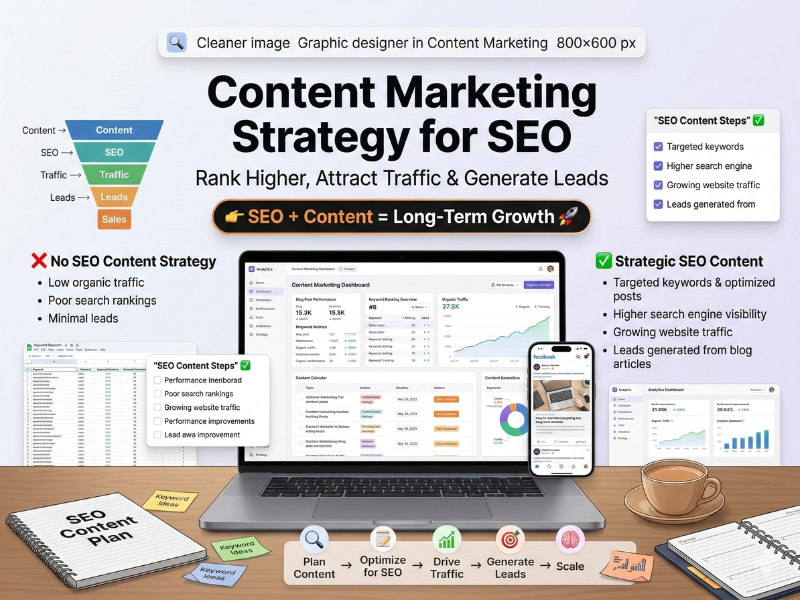
What is Content Marketing Strategy for SEO?
A content marketing strategy for SEO is a structured plan to create, optimize, and distribute content that ranks in search engines and attracts targeted users.
It focuses on:
Solving user problems
Targeting the right keywords
Building topical authority
Driving organic traffic
Instead of random posting, you create intent-based content that aligns with what users are searching for.
Why Content Marketing is Important for SEO
Content and SEO go hand in hand. Without content, there’s nothing to rank.
Here’s why it matters:
Drives Organic Traffic – High-quality content ranks and brings free traffic
Builds Authority – Consistent content builds trust in your niche
Generates Leads – Optimized content converts visitors into customers
Improves Rankings – More content = more keyword opportunities
In short, content is the fuel that powers SEO growth.
Step-by-Step Content Marketing Strategy
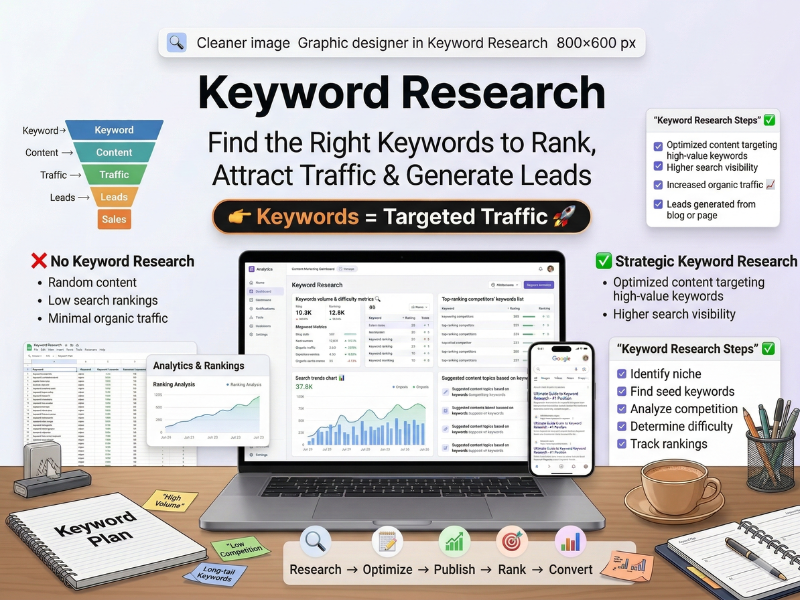
1. Keyword Research
Start with finding what your audience is searching for.
Use tools like:
Google Keyword Planner
Ubersuggest
Ahrefs
Tips:
Target long-tail keywords (easier to rank)
Focus on search intent (informational, transactional)
Analyze competitor keywords
2. Content Planning
Don’t create random content—plan it.
Create:
Content calendar
Topic clusters (pillar + supporting blogs)
Funnel-based content (TOFU, MOFU, BOFU)
Example:
TOFU: “What is SEO?”
MOFU: “Best SEO strategies”
BOFU: “SEO services pricing”
3. Content Creation
Now create high-quality, valuable content.
Best practices:
Write for humans, not just search engines
Keep content simple and easy to read
Use headings (H2, H3) properly
Add examples and actionable tips
Focus on solving problems—not just filling words.
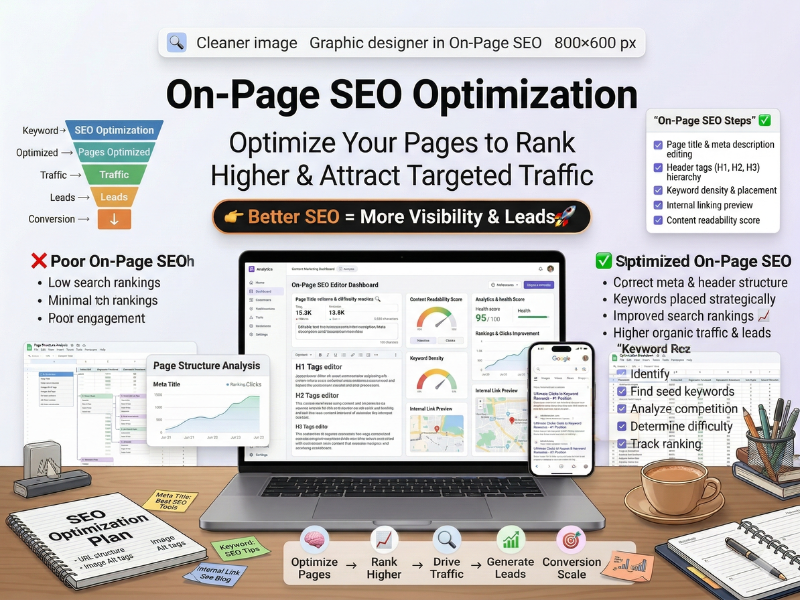
4. On-Page SEO Optimization
Even great content won’t rank without optimization.
Key elements:
Use keyword in title, URL, and first 100 words
Add internal linking
Optimize meta title & description
Use images with alt text
Improve readability
This helps search engines understand your content better.
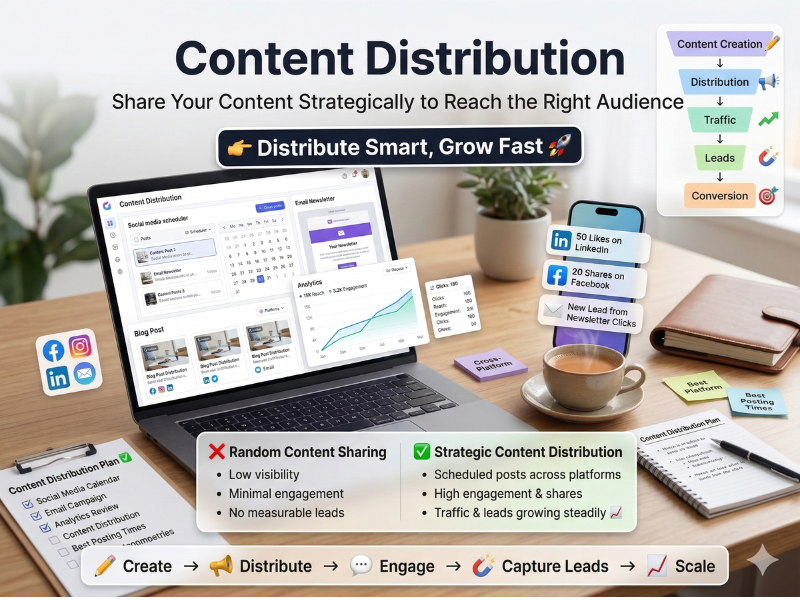
5. Content Distribution
Publishing is not enough—you must promote.
Promote your content on:
Social media platforms
Email newsletters
Communities & forums
More visibility = more traffic + backlinks.
Best Content Types for SEO
Different types of content perform well for SEO:
Blog Posts – Best for targeting keywords
Guides & Tutorials – Great for authority building
Case Studies – Boost trust and conversions
Infographics – Easy to share and attract backlinks
Videos – Increase engagement and dwell time
Mix different formats for better results.
Common Mistakes to Avoid
Avoid these mistakes that hurt SEO growth:
Ignoring keyword research
Writing low-quality or thin content
Keyword stuffing
Not updating old content
Skipping internal linking
Consistency + quality = long-term success.
FAQ
Usually 3–6 months, depending on competition and consistency.
Start with 2–3 high-quality posts per week for steady growth.
Yes, for long-term growth. SEO content gives sustainable traffic without ongoing costs.
Conclusion
A powerful content marketing strategy for SEO is not about quick wins—it’s about consistency and value.
Start small:
Do proper keyword research
Create helpful content
Optimize every page
Promote consistently
Over time, your traffic and leads will grow naturally.

About Author
Lakshay Yadav
Founder & Growth Strategist | 5+ Years Experience | Targeting Trends
Lakshay Yadav is a results-driven SEO specialist with expertise in on page SEO techniques, meta tags optimization, internal linking SEO, and page speed optimization. He has worked with multiple websites to improve rankings, increase traffic, and boost conversions.
His approach focuses on combining Google ranking factors 2026 with real-world strategies that deliver measurable growth.