
Ecommerce Conversion Rate Optimization Tips to Skyrocket Your Sales
If you’re getting traffic but not enough sales, you don’t have a traffic problem—you have a conversion problem. That’s where ecommerce conversion rate optimization tips come into play. By applying the right strategies, you can turn more visitors into paying customers without increasing ad spend.
In this guide, you’ll discover proven ecommerce conversion rate optimization tips designed for store owners and marketers who want to increase eCommerce sales, improve user experience, and maximize revenue.
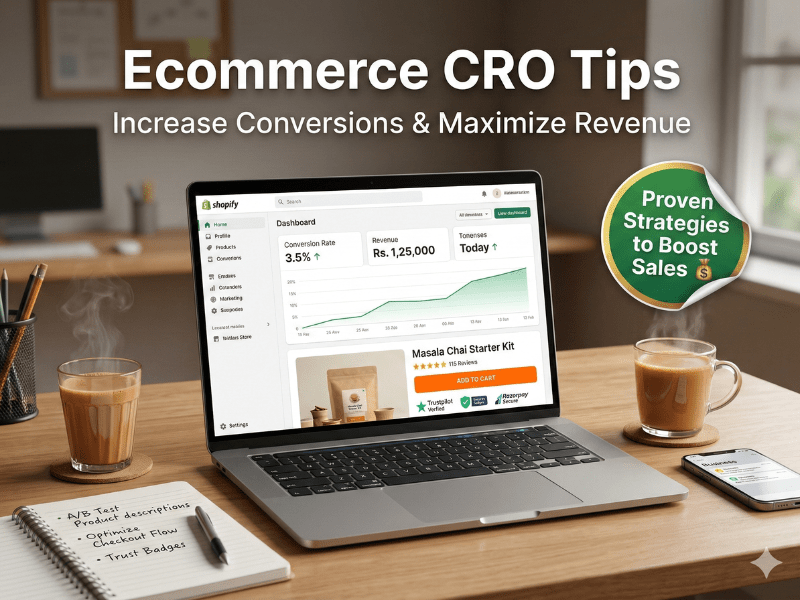
What is Conversion Rate Optimization (CRO) in eCommerce?
Conversion Rate Optimization (CRO) is the process of improving your website to increase the percentage of visitors who complete a desired action—like making a purchase, signing up, or adding items to the cart.
For eCommerce businesses, CRO directly impacts revenue. Even a small increase in conversion rate can significantly boost profits without additional marketing costs. That’s why implementing ecommerce conversion rate optimization tips is essential for sustainable growth.
Why CRO Matters for Online Stores
Most online stores convert at only 1–3%. With effective ecommerce conversion rate optimization tips, you can:
Increase revenue without increasing traffic
Improve customer experience
Reduce cart abandonment
Maximize ROI from ads
1. Improve Website Speed & Mobile UX
Why It Matters
A slow website kills conversions. Users expect your store to load within 2–3 seconds.
Actionable Tips
Compress images and use fast hosting
Optimize for mobile-first design
Use lazy loading and minimal scripts
Example: A Shopify store reduced load time from 5s to 2s and saw a 30% increase in conversions.

2. Write High-Converting Product Descriptions
Focus on Benefits, Not Just Features
Your product description should sell the outcome, not just the specs.
How to Optimize
Use bullet points for readability
Address pain points directly
Add emotional triggers and urgency
Example: Instead of “100% cotton shirt,” write “Stay cool and comfortable all day with breathable 100% cotton fabric.”
These small tweaks are powerful ecommerce conversion rate optimization tips that directly impact buying decisions.
3. Use Trust Signals to Build Credibility
Trust is a major factor in conversion.
Must-Have Trust Elements
Customer reviews and ratings
Money-back guarantees
Secure payment badges
Real testimonials
Pro Tip: Place trust badges near the “Add to Cart” button for maximum impact.
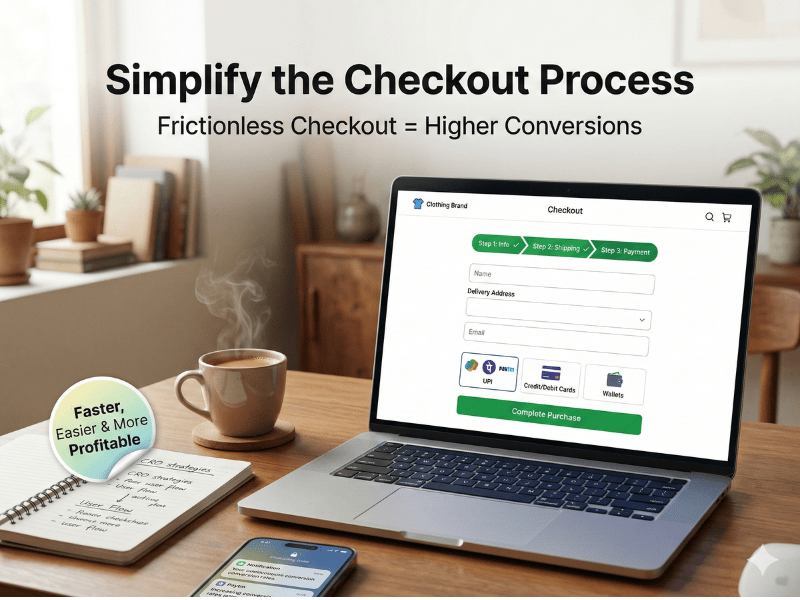
4. Optimize the Checkout Process
Reduce Friction
A complicated checkout process leads to cart abandonment.
Best Practices
Enable guest checkout
Minimize form fields
Offer multiple payment options
Show progress indicators
These ecommerce conversion rate optimization tips ensure users complete their purchase smoothly.
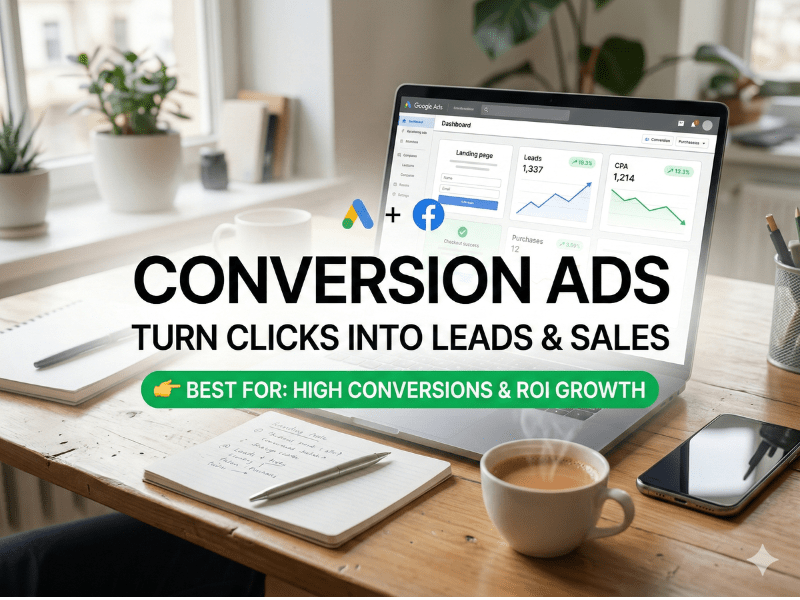
5. Use Strong CTA Placement & Design
Your CTA (Call-to-Action) is where conversions happen.
High-Converting CTA Tips
Use action-driven text (e.g., “Buy Now,” “Get Yours Today”)
Use contrasting colors
Place CTAs above the fold and after product details
Boost Your Store Conversions Now
Optimize your product pages, improve UX, and implement proven strategies to increase eCommerce sales starting today.
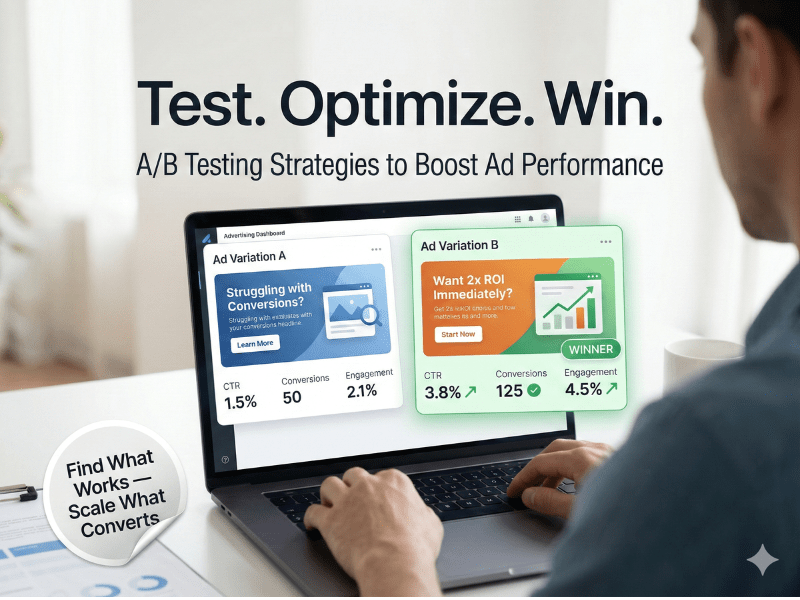
6. A/B Testing: The Secret Weapon
What to Test
Headlines
CTA buttons
Product images
Pricing strategies
Example
Testing two versions of a product page can reveal what drives more conversions.
Consistent testing is one of the most powerful conversion rate optimization strategies.
7. Upselling & Cross-Selling Techniques
Increase your average order value with smart product recommendations.
How to Implement
“Frequently Bought Together” sections
Product bundles
Cart page upsells
Example: Amazon generates huge revenue using cross-selling—your store can too.

8. Lead Capture & Funnel Optimization
Not every visitor will buy instantly—capture leads.
Where to Place Lead Capture
Exit-intent popups
Discount offers on homepage
Email signup forms on product pages

Common CRO Mistakes to Avoid
Avoid these pitfalls:
Ignoring mobile optimization
Too many distractions on product pages
Weak or unclear CTAs
Not using analytics or heatmaps
Skipping A/B testing
Fixing these mistakes can instantly improve online store performance.
Internal Linking Strategy for SEO & CRO
To strengthen SEO and user flow, link to relevant content:
Use anchor text like Shopify Store Optimization Tips to guide users
Link to Best Shopify Themes for Conversion for design improvements
Add How to Drive Traffic to Your Store for full funnel strategy
This improves both rankings and engagement.
FAQ How to Create Shopify Store Step by Step
The most effective ecommerce conversion rate optimization tips for beginners include improving website speed, optimizing product pages with clear descriptions, adding trust signals like reviews, and simplifying the checkout process. Start with these basics to quickly increase eCommerce sales and improve user experience.
Results from ecommerce conversion rate optimization tips can appear within a few days to a few weeks, depending on what changes you implement. For example, improving page speed or adding trust badges can deliver immediate results, while A/B testing strategies may take longer but provide deeper insights for long-term growth.
Popular tools for applying ecommerce conversion rate optimization tips include Google Analytics for tracking performance, heatmap tools like Hotjar for user behavior insights, and A/B testing tools like Google Optimize. These tools help you make data-driven decisions to improve online store performance and maximize conversions.
Final Thoughts
Implementing these ecommerce conversion rate optimization tips can transform your store from average to highly profitable. Focus on user experience, trust, and continuous testing to unlock consistent growth.
Take action today—your online store is just a few steps away from launch!

About Author
Lakshay Yadav
Founder & Growth Strategist | 5+ Years Experience | Targeting Trends
Lakshay Yadav is a results-driven SEO specialist with expertise in on page SEO techniques, meta tags optimization, internal linking SEO, and page speed optimization. He has worked with multiple websites to improve rankings, increase traffic, and boost conversions.
His approach focuses on combining Google ranking factors 2026 with real-world strategies that deliver measurable growth.